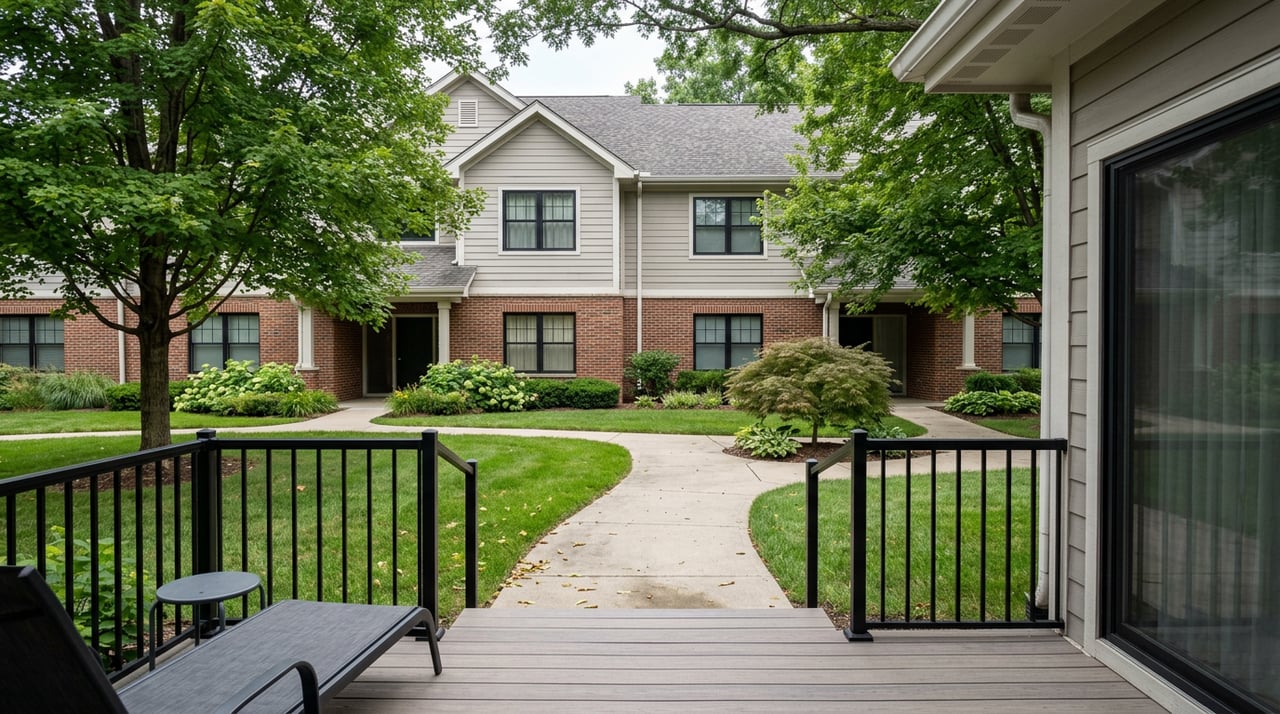
Shopping for a condo or HOA home in Symmes Township can be confusing. There are two different Symmes Townships in Ohio, and they offer very different housing options. If you are looking in Symmes Township, Lawrence County, you will find far fewer purpose-built condos or HOA communities than you might expect. This guide clears up the map, explains how condo and HOA living works in Ohio, and shows you how to vet an association before you buy. Let’s dive in.
Two Symmes Townships explained
Symmes Township exists in two places in Ohio. The one in Hamilton County, north of Cincinnati, is a suburban area with many condo and HOA neighborhoods. You can learn more about local administration and services through the Symmes Township official site.
Symmes Township in Lawrence County is different. It is rural with a very small population and limited housing stock, so purpose-built condo or HOA developments are much less common. For quick context on the area, see the Lawrence County Symmes Township overview.
What does this mean for you? If you need a true condo community with amenities, you will likely look to larger nearby markets. If you prefer rural living and lower-density neighborhoods, Lawrence County’s Symmes Township may fit your goals, and you can still use the due diligence steps in this guide to review any property that is part of an association.
What condo and HOA dues cover
Association dues pay for shared responsibilities. In many Ohio communities, the budget typically covers some mix of:
- Exterior maintenance or building envelope items, as defined in the documents
- Landscaping, mowing, and snow removal
- Common-area utilities and trash service
- Amenities like a pool, clubhouse, gym, or private roads
- Professional management fees
- Master insurance for common elements and liability
- Contributions to the reserve fund for future repairs
The exact inclusions vary by community and are spelled out in the declaration, bylaws, and current budget. Always confirm what your fee buys before you write an offer.
How much do HOA fees run?
There is no single “normal” fee. Services, amenities, and insurance drive costs. For broader context, a statewide review of listing data found a median monthly HOA fee in Ohio around 125 dollars, though full-service suburban communities with amenities can be much higher. You can read that analysis here: Ohio HOA fee map and median.
In practice, fees vary widely by property type and services included. Always verify the current fee amount, how often it is billed, and what it includes in the seller’s association documents.
Ohio rules that shape condo and HOA life
Ohio has two main statutes that govern these communities:
- Condominiums are covered by Ohio Revised Code Chapter 5311. It defines what a unit is versus common elements, how unit owners’ associations operate, required disclosures, budgets, reserves, open meetings, and lien rights for unpaid assessments.
- Planned communities and HOAs are covered by Ohio Revised Code Chapter 5312. It addresses formation, recorded declarations and bylaws, association powers, budgets and reserves, records access, and lien enforcement.
A few practical points matter for buyers:
- The declaration, covenants, conditions and restrictions (CC&Rs), bylaws, and any amendments must be recorded in the county where the property sits. You take title subject to these recorded obligations.
- Associations adopt budgets, collect assessments, maintain reserves, and can levy special assessments if needed. They can also place a lien on a unit or lot for unpaid assessments.
- Associations may charge reasonable fees to prepare resale certificates or statements of unpaid assessments, and may impose late charges or interest per their governing documents.
Who maintains what?
Condominiums
In a typical condo, you maintain the interior of your unit. The association maintains common elements such as the building exterior, roof, hallways, and systems that serve multiple units. Always confirm exact boundaries and responsibilities in the recorded declaration and drawings, as definitions can differ by community.
Planned communities and HOAs
In many single-family HOAs, the owner maintains the home’s exterior, roof, and private driveway. The association maintains private roads, common landscapes, and shared amenities. Townhome-style HOAs sometimes assign more exterior work to the association. The declaration and bylaws control who insures and pays for what.
Insurance basics
Most associations carry a master policy for common elements and liability. You still need an HO-6 condo policy or a homeowner’s policy to cover your interior, contents, upgrades, and any master-policy deductible obligations. Ask for the association’s insurance certificate and confirm coverages and deductibles.
Financing and resale realities
If you plan to finance your purchase, your lender may need the association’s financials and insurance. Many loan programs apply project-level rules. Issues like low reserves, high owner delinquencies, pending structural litigation, or large special assessments can affect loan eligibility. Review common risk factors here: Fannie Mae project standards overview.
During a resale, buyers typically receive the declaration and bylaws, current budget and financials, reserve information, insurance certificates, recent meeting minutes, and a resale or estoppel certificate that states assessment amounts and status. This practical primer explains what to ask for and how to read it: How to review HOA and condo documents.
Due diligence checklist for Symmes buyers
Use this list the moment you go under contract:
- Request recorded declaration/CC&Rs, bylaws, rules, and any amendments.
- Ask for the current budget, recent financial statements, and the most recent reserve study and balance.
- Obtain the master insurance certificate and any major vendor or management contracts.
- Order a resale or estoppel certificate to confirm assessment amounts and whether any amounts are due.
- Add a written HOA-document review contingency so you can cancel or renegotiate if needed.
Red flags to watch
- Repeated special assessments without a current reserve study or long-term plan
- Missing budgets, minimal reserves, or incomplete financial records
- Material litigation involving safety, structural, or insurance coverage issues
- High owner delinquency rates on assessments
- Unclear maintenance responsibilities in the declaration (for example, the roof is not clearly assigned)
Local steps to verify records
- County recorder. Declarations, amendments, plats, and association liens are recorded with the county. For Hamilton County properties, search the Hamilton County Recorder. For Lawrence County properties, use the Lawrence County Recorder.
- County auditor and treasurer. Confirm taxes, special assessments, and parcel details. In Hamilton County, start at the Hamilton County Auditor.
- Township and zoning. For local administration and zoning contacts in the Cincinnati-area Symmes Township, use the Symmes Township site. Ask whether roads are public or private and whether amenities require permits or inspections.
Is condo or HOA living right for you?
- Downsizers. You may appreciate lower day-to-day maintenance. Focus on the association’s reserves and recent meeting minutes so you are not surprised by a major assessment.
- Busy professionals. Predictable costs and exterior services can save time. Confirm exactly which services are included and review rules on pets, parking, and renovations.
- First-time buyers. The documents can be technical. Lean on your agent and, if needed, a real estate attorney. Insist on a document-review contingency and check with your lender early about project eligibility.
Before you sign: quick checklist
- Get the declaration, bylaws, rules, current budget, reserve study, insurance certificate, management contract, recent meeting minutes, and any planned assessments.
- Ask your lender about condo or HOA eligibility for the property and adjust your pre-approval to include monthly dues.
- Schedule an inspection that includes common areas when permitted and consider an attorney review of the documents.
Buying into a condo or HOA can deliver real convenience, but the value depends on the association’s health and how well its rules match your lifestyle. If you are weighing options between rural settings and full-service suburban communities, a clear plan and careful document review will keep you on track. When you are ready to compare neighborhoods and association styles in Greater Cincinnati’s northern suburbs, reach out to The Parchman Group for principal-led guidance and a smooth, well-coordinated purchase.
FAQs
What is the difference between a condo and an HOA in Ohio?
- Condos are governed by ORC 5311 and typically split interior ownership from common elements, while planned communities/HOAs fall under ORC 5312 and define responsibilities by lot and common areas.
Are there condos in Symmes Township, Lawrence County?
- Condo and HOA communities are far less common in Lawrence County’s Symmes Township given its rural profile; many buyers seeking condo living look to larger nearby markets, including Hamilton County’s suburban Symmes Township.
What do typical Ohio HOA fees cover?
- Dues often fund exterior or common-area upkeep, landscaping, snow removal, amenities, management, master insurance, and reserves; check the current budget and governing documents for specifics.
How can I check an association’s reserves?
- Ask for the latest budget, reserve balance, and most recent reserve study; Ohio statutes expect reserves in the budget unless owners vote to waive them, so verify the plan and funding level.
Will my loan work for a condo in Symmes Township?
- Lenders review project eligibility for condos; factors like reserves, delinquencies, litigation, and assessments can affect approval, so share documents early and review Fannie Mae’s criteria with your lender.
Who pays for roof or exterior repairs?
- It depends on the declaration; in many condos the association handles common elements like roofs, while in many HOAs the owner maintains the exterior, so confirm responsibilities in the recorded documents.