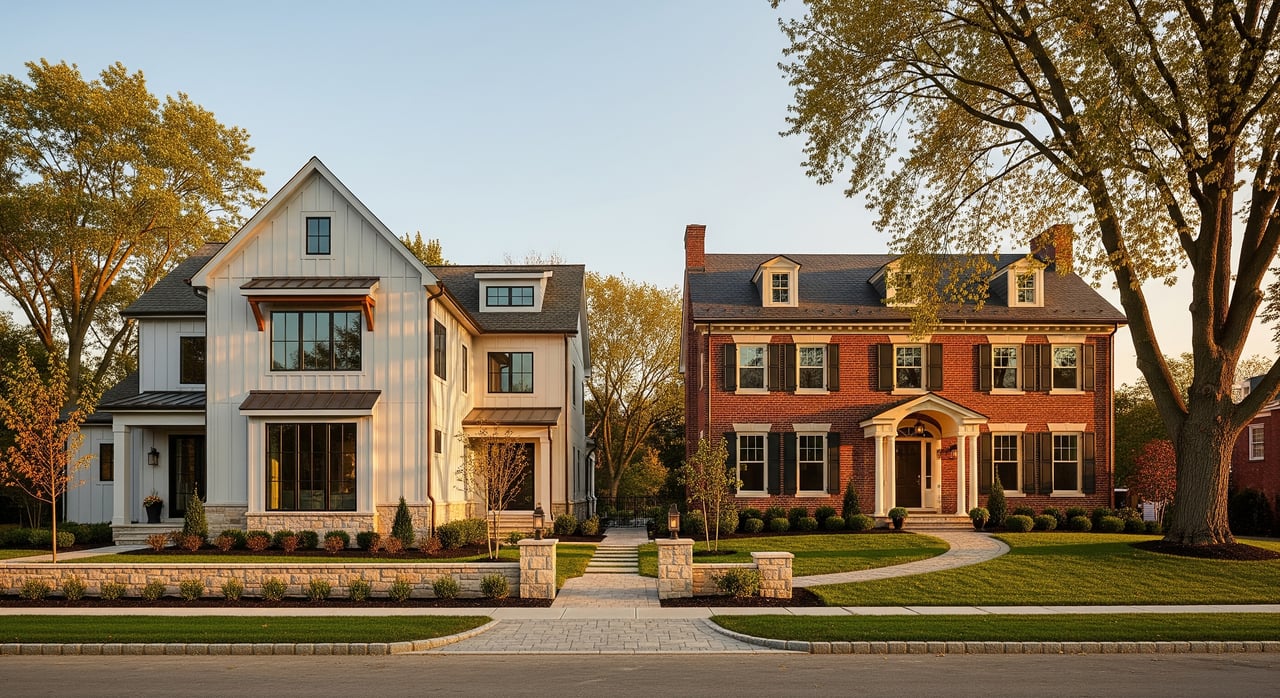
Should you build new or buy a resale home in Maineville? It’s a big decision, and the details matter more than the headline price. If you’re weighing neighborhoods, budgets, and timing in Warren County, you’re not alone. Many buyers want clarity on total costs, realistic timelines, and how negotiations actually work.
In this guide, you’ll compare new construction and resale homes through a Maineville lens: costs over time, inspections and warranties, builder contracts, and local due diligence. You’ll also get a practical checklist to move forward with confidence. Let’s dive in.
Maineville market reality
New construction choices in Maineville typically cluster in specific subdivisions with a small set of builders. Resale options are spread across established neighborhoods with a range of ages and styles. Your real options often depend on lot availability, subdivision approvals, and local infrastructure.
For current pricing, inventory, and days on market, lean on local sources. The Warren County Auditor and the local MLS are where you’ll find reliable, up-to-date Maineville data. School attendance boundaries change over time, so confirm details directly with the Little Miami Local School District.
Cost of ownership: new vs. resale
The sticker price rarely tells the full story. Look at the 5–10 year total cost of ownership to make a fair comparison.
Purchase price and upgrades
- New construction uses a base price plus add-ons. Expect lot premiums, design options, and site work to adjust your final cost.
- Resale homes usually include the finished lot, features, and landscaping. You may negotiate repairs or credits during inspections.
Property taxes and assessments
- New homes are assessed at completion, which can mean a step-up in taxes. Verify current millage and any special assessments with the Warren County Auditor.
- Some newer subdivisions carry special assessments for roads, sidewalks, or stormwater. These can change your annual budget.
Insurance and mortgages
- During construction, lenders may require a builder’s risk policy. Ask your lender how that affects closing costs and escrow.
- Insurance on a new home can be lower initially due to new systems, but local rates and replacement-cost coverage still drive premiums.
HOA dues and community fees
- Many new communities have mandatory HOAs for amenities and common area care. Dues and rules vary by subdivision.
- Some resale neighborhoods also have HOAs. Compare budgets, reserves, and any history of special assessments.
Maintenance and utilities
- New homes generally mean lower near-term maintenance and more efficient mechanicals.
- Older homes may need near-term capital items like roofs, HVAC, or windows. Build this into your comparison.
Warranties and repair risks
- New construction typically includes a tiered builder warranty that reduces out-of-pocket risk in the first years.
- With resale, you take on repair responsibilities at closing, unless covered by a negotiated repair credit or a separate home warranty policy.
Timeline and process differences
A new build follows a structured path: lot selection, contract, design selections, permitting, construction, inspections, final walkthrough, and certificate of occupancy. That process takes time, and schedules are estimates.
Common delays include weather, permit timing, subcontractor scheduling, materials, and change orders. Plan for flexibility, especially if you’re coordinating a home sale or lease ending.
If you need housing on a firm timeline, consider completed spec homes or well-maintained resales. If you’re comfortable with a longer horizon and want customization, new construction can be a strong fit.
Inspections that protect you
Even brand-new homes deserve rigorous oversight. Independent inspections catch issues early and help you advocate for fixes.
- Pre-pour foundation inspection to review site prep and footing details.
- Pre-drywall or rough-in inspection to evaluate electrical, plumbing, HVAC, and framing before walls close.
- Final inspection and walkthrough to build a punchlist and document items before closing.
- One-year warranty inspection near the end of the workmanship warranty window to catch deferred items.
Hire an inspector experienced in new construction. For structural concerns or higher-value custom work, consider a structural engineer’s review.
Warranties: what to expect
Most builders offer a tiered warranty structure. While specifics vary by builder, here’s what you typically see:
- Workmanship and materials: limited coverage for finishing defects, often for the first year.
- Systems: coverage for major mechanicals, commonly 1–2 years.
- Structural: coverage for major load-bearing components, often up to 10 years and sometimes administered by a third-party program.
Always get the full warranty in writing and read the claim process, response timelines, exclusions, and transfer rules. Keep a detailed record of requests, dates, and photos.
Negotiation and representation
Negotiation looks different in new construction than in resale. Builders commonly use incentives instead of price cuts, and leverage varies by home and phase.
- Spec homes nearing completion are usually the most negotiable.
- Incentives may include rate buydowns, closing cost credits, or upgrade allowances.
- Lot premiums on popular lots and set upgrade pricing may be firm. Less in-demand lots can be more flexible.
Builder sales reps represent the builder. If you’re buying new, you still benefit from your own agent to protect your interests. Your agent can review the purchase agreement, explain contingencies, negotiate upgrades or timelines, coordinate inspections, and help you use lender incentives without surprises.
Contract terms to watch closely
- Contingencies: Financing, appraisal, and inspections may be limited in builder contracts. Confirm what applies and when.
- Change orders: Expect written pricing and timeline impacts for any changes. Keep a signed paper trail.
- Sunset or release clauses: Understand if and how either party can terminate under certain conditions.
- Missed deadlines and remedies: Clarify liquidated damages, completion standards, and warranty repair timelines.
Local due diligence in Maineville
Ground your decision in local records and approvals. Before you commit, gather documents and verify details with the right sources:
- Warren County Auditor: assessed values, tax rates, and any special assessments.
- Warren County Recorder: plats, easements, and recorded CC&Rs for your subdivision.
- Village of Maineville or Warren County Planning & Zoning: permits, subdivision approvals, road plans, and stormwater requirements.
- Little Miami Local School District: attendance boundaries and capacity updates for your address.
- Ohio Division of Real Estate & Professional Licensing and Ohio Attorney General: builder registration and consumer protection guidance.
These steps help you avoid surprises later, from HOA restrictions to utility connection timelines.
Buyer checklist
Use this quick list to compare new construction and resale on equal footing.
- Purchase agreement and spec sheet with base plan, all options, and the lot premium itemized.
- Written warranty documents, including claim procedures and transferability.
- HOA CC&Rs, bylaws, budget, reserves, and recent meeting minutes, if applicable.
- Site and plat maps showing lot lines, easements, drainage, and floodplain status.
- Permit approvals and an estimated completion or occupancy date for new builds.
- Utility connection details, including tap fees and sewer or septic confirmation.
- School assignment confirmation for your specific address.
- Independent inspections at pre-drywall, final, and one-year marks for new builds; full home inspection for resales.
- Dated, photographed punchlist submitted in writing per warranty rules.
- Recent comparable sales in the neighborhood to judge pricing and resale trajectory.
Which option fits you?
Choose the path that aligns with your timeline, budget, and risk tolerance.
- Consider new construction if you want current layouts, energy-efficient systems, and lower near-term maintenance, and if your timeline allows for construction.
- Consider resale if you want established neighborhoods, quicker move-in, mature landscaping, and the ability to negotiate based on existing conditions.
Either way, focus on total cost, contract clarity, and a thorough inspection plan. A locally informed strategy will protect your budget and your long-term enjoyment of the home.
Ready to compare real options in Maineville and plan next steps? Reach out to The Parchman Group for principal-led guidance, local comps, and hands-on coordination from contract through closing. We’ll help you weigh costs, timelines, inspections, and incentives so your choice fits your life and budget.
FAQs
What are the biggest hidden costs with new construction in Maineville?
- Lot premiums, design upgrades, special assessments in newer subdivisions, and potential increases in property taxes after completion can raise total costs beyond the base price.
How long does a typical new build take in Warren County?
- Timelines vary based on permitting, weather, materials, and subcontractor schedules. Plan for flexibility and build in contingency time around your lease or home sale.
Do I still need an inspection on a brand-new home?
- Yes. Schedule pre-drywall and final inspections, plus a one-year warranty walkthrough, to catch issues early and document warranty items.
How do builder warranties usually work on new homes?
- Many builders offer tiered coverage: about one year for workmanship, one to two years for systems, and up to ten years for structural elements. Review the written terms and claims process.
Can I negotiate the price on a new construction home?
- Builders often prefer incentives like rate buydowns, closing credits, or upgrade allowances over price cuts, especially on popular plans and lots. Spec homes near completion can be more negotiable.
What local records should I check before I buy in Maineville?
- Review tax data with the Warren County Auditor, plats and CC&Rs with the Warren County Recorder, permits and subdivision approvals with local planning, and school assignments with the district.
Should I bring my own agent when buying from a builder?
- Yes. The builder’s sales team represents the builder. Your agent advocates for you on contract terms, contingencies, inspections, and incentives, and helps coordinate the process.